

How to choose between flagstone and slate cultured stone holds a unique charm and elegance that transcends time. These exquisite pieces of art have been cherished for generations, each telling a story of craftsmanship, history, and culture. In this article, we will delve into the world of antique cultured stone, exploring its origins, characteristics, preservation techniques, and the enduring appeal that continues to captivate enthusiasts and collectors worldwide.
Origins of Antique Cultured Stone
Antique cultured stone, also known as faux stone, manufactured stone, or cultured stone veneer, has a rich history that dates back centuries. The practice of creating artificial stone can be traced back to ancient civilizations such as the Egyptians, Greeks, and Romans, who developed techniques to mimic the appearance of natural stone using more affordable materials.
In the 20th century, the popularity of cultured stone surged as a cost-effective alternative to natural stone for architectural and decorative purposes. Craftsmen perfected the art of replicating the look and feel of various types of stone, including limestone, granite, marble, and slate, using concrete, aggregates, pigments, and molds.
Characteristics of Antique Cultured Stone
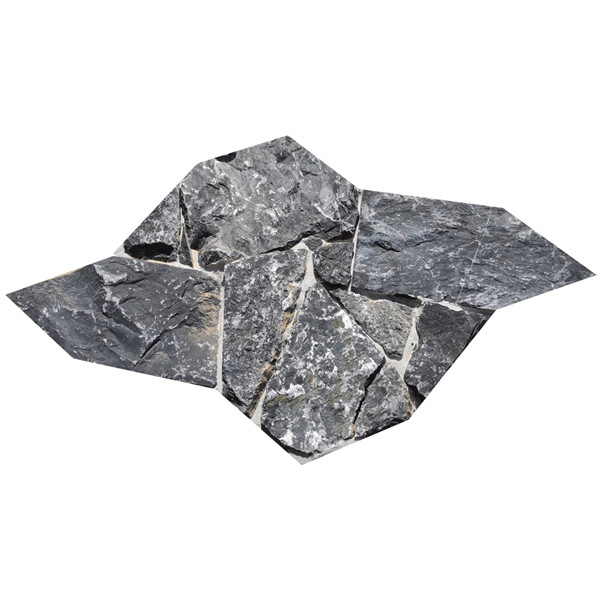
Antique cultured stone exhibits a remarkable resemblance to natural stone, with intricate details, textures, and colors that mimic the beauty of quarried stone. Each piece is carefully crafted to capture the nuances of different stone types, creating a stunning visual impact that enhances the aesthetics of any space.
One of the key characteristics of antique cultured stone is its versatility. It can be used in a wide range of applications, including exterior facades, interior walls, fireplaces, accent walls, and landscaping features. The lightweight nature of cultured stone makes it easier to install compared to natural stone, while still providing the same timeless appeal.
Preservation of Antique Cultured Stone
Preserving antique cultured stone is essential to maintain its beauty and integrity for future generations to appreciate. Proper care and maintenance techniques can help protect these valuable pieces of art from damage, weathering, and deterioration over time.
One important aspect of preserving antique cultured stone is regular cleaning and maintenance. Dust, dirt, and debris can accumulate on the surface of the stone, dulling its appearance and affecting its longevity. Gentle cleaning with a mild detergent and soft brush can help remove surface impurities without damaging the stone.

In addition to cleaning, sealing antique cultured stone is crucial to protect it from moisture, stains, and UV damage. A high-quality stone sealer can create a protective barrier that repels water and contaminants, preventing them from penetrating the surface of the stone. Regular reapplication of the sealer is recommended to ensure continued protection.
Another important aspect of preservation is monitoring for signs of damage or wear. Cracks, chips, discoloration, or loose pieces should be addressed promptly to prevent further deterioration. Consulting with a professional stone restoration expert can help identify and address any issues before they escalate.
Enduring Appeal of Antique Cultured Stone
The enduring appeal of antique cultured stone lies in its timeless beauty, durability, and versatility. Whether used in historic buildings, modern homes, or outdoor landscapes, antique cultured stone adds a touch of elegance and sophistication that transcends trends and fads.
One of the key factors contributing to the enduring appeal of antique cultured stone is its ability to evoke a sense of nostalgia and heritage. These pieces of art carry with them the craftsmanship and artistry of bygone eras, connecting us to the past and reminding us of the rich cultural traditions that have shaped our world.
Furthermore, antique cultured stone offers a sustainable and eco-friendly alternative to natural stone, reducing the impact on the environment while still providing the same aesthetic benefits. By choosing cultured stone, homeowners and designers can enjoy the beauty of stone without depleting precious natural resources.
In conclusion, antique cultured stone represents a unique blend of artistry, history, and craftsmanship that continues to captivate enthusiasts and collectors around the world. By understanding its origins, characteristics, preservation techniques, and enduring appeal, we can appreciate the beauty and elegance of these timeless pieces of art and ensure their legacy for future generations to enjoy.